Carbon Credits and REDD+ for Pangolin Habitat Conservation
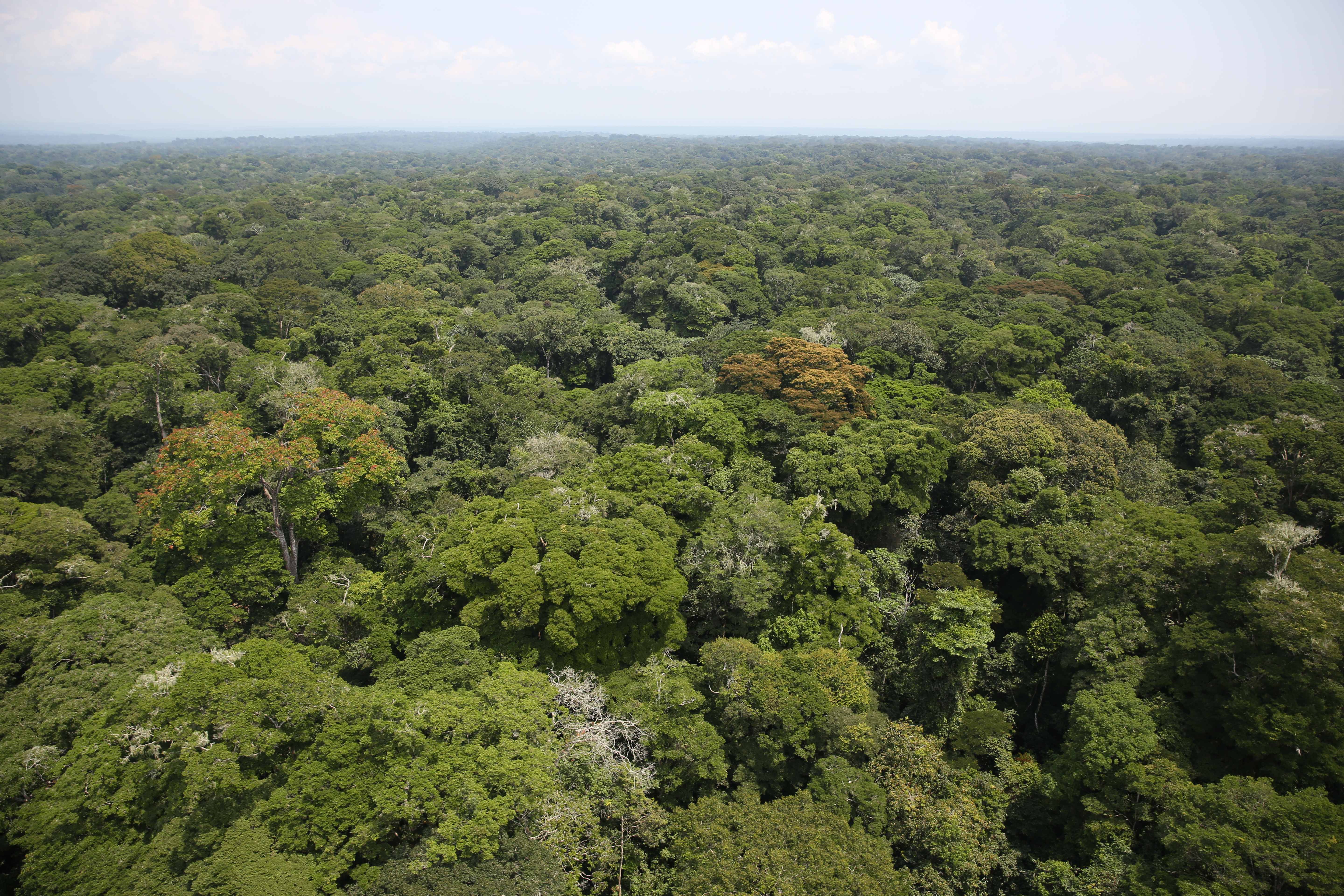
As climate finance scales up, a quiet revolution is changing how pangolin habitat gets protected — not through charity alone, but through forest carbon markets that pay landowners and governments to keep trees standing. REDD+ and voluntary carbon markets are channelling billions of dollars into tropical forest conservation, and pangolins are among the species benefiting most directly.
What is REDD+?
REDD+ stands for Reducing Emissions from Deforestation and Forest Degradation, with the "plus" encompassing the sustainable management of forests, their conservation, and the enhancement of forest carbon stocks. It is a mechanism developed under the UN Framework Convention on Climate Change (UNFCCC) that creates financial incentives for developing countries to protect their forests rather than clear them.
Under REDD+, countries or individual projects earn carbon credits for verified reductions in deforestation or forest degradation compared to a baseline scenario. These credits — each representing one tonne of CO2 equivalent kept out of the atmosphere — can be sold to corporations and governments seeking to offset their own emissions. Carbon credit prices range from as little as $5 per tonne for older, lower-quality credits to over $50 per tonne for projects with strong biodiversity and community co-benefits.
Why Forest Carbon Projects Protect Pangolins
The connection between carbon finance and pangolin conservation is not incidental — it is structural. All three Central African pangolin species, as well as the Sunda pangolin and Malayan pangolin of Southeast Asia, are forest-dependent animals. Intact canopy cover is not merely preferred habitat: it is a prerequisite for survival. Deforestation fragments populations, eliminates food sources, and opens forest interiors to hunting pressure by providing road access.
REDD+ projects fund ranger networks — and those same rangers who are patrolling to prevent illegal logging are also the primary detection mechanism for pangolin traffickers. In the DRC, the Mai Ndombe REDD+ project, certified under the Verra Verified Carbon Standard (VCS), covers approximately 12 million hectares of forest and funds a ranger infrastructure that simultaneously protects carbon stocks and detects wildlife crime. In Borneo, REDD+ project boundaries overlap extensively with the known range of the Sunda pangolin (Manis javanica), making habitat protection and pangolin conservation synonymous in practice.
Key Certification Standards
Not all carbon credits are equal. Several certification frameworks have become the dominant standards for forest carbon projects, each with distinct strengths:
- Verra VCS (Verified Carbon Standard) — the world's largest voluntary carbon standard, covering the majority of REDD+ projects globally. Rigorous methodology, third-party auditing, and a public project registry.
- Gold Standard — developed with WWF involvement, it requires projects to demonstrate co-benefits in areas such as biodiversity, gender equality, and community wellbeing, in addition to carbon accounting.
- Plan Vivo — a community-based standard particularly suited to small-scale African projects, emphasising long-term relationships with local communities and flexible, adaptive management.
- CCBS (Climate, Community and Biodiversity Standard) — an additive verification layer that can be stacked on top of VCS certification to provide independent verification of biodiversity and social benefits. CCBS certification is increasingly demanded by buyers who want assurance that their purchase is genuinely beneficial to nature.
Case Studies
Mai Ndombe, DRC
The Mai Ndombe REDD+ project, operated by Wildlife Works Carbon and covering roughly 12 million hectares of Congo Basin forest, is one of the world's largest forest carbon projects by area. It generates millions of verified carbon credits annually, with proceeds funding community development, ranger patrols, and wildlife monitoring across a vast landscape. Pangolin surveys have been incorporated into the project's biodiversity monitoring protocols, providing one of the few systematic long-term datasets on white-bellied pangolin detection rates in the DRC.
Rimba Raya, Indonesia
The Rimba Raya Biodiversity Reserve in Central Kalimantan, Borneo, protects 64,000 hectares of peat swamp forest that was slated for conversion to oil palm plantation. Certified under both VCS and CCBS, the project has Sunda pangolin monitoring embedded in its annual biodiversity audits. By preventing the drainage and conversion of peat swamp, Rimba Raya protects not only enormous carbon stocks — peat soils store more carbon per hectare than almost any other ecosystem — but also the dense pangolin populations that depend on this habitat type.
Kasigau Corridor, Kenya
Though primarily protecting dry savanna rather than closed-canopy forest, the Kasigau Corridor REDD+ project in Kenya, operated by Wildlife Works, has become a model for community-centred carbon finance that is now being replicated in forest regions with pangolin populations. Its success in combining genuine carbon accounting with community employment and wildlife protection has influenced project design across sub-Saharan Africa.
Corporate Carbon Buyers and Conservation Finance
The demand side of the voluntary carbon market is evolving rapidly. Major corporations including Microsoft, Delta Air Lines, and a growing number of consumer goods companies purchase voluntary offsets, with a growing subset specifically seeking projects with verified biodiversity co-benefits. Airlines purchasing credits under the CORSIA scheme (Carbon Offsetting and Reduction Scheme for International Aviation) are increasingly demanding VCS+CCBS certification as a minimum quality threshold.
The Taskforce on Nature-related Financial Disclosures (TNFD), which published its final recommendations in 2023, is pushing companies to assess and disclose their nature-related dependencies and impacts. This is creating new institutional demand for high-integrity biodiversity co-benefit credits from projects in pangolin range states. Perhaps most significantly, Article 6 of the Paris Agreement — governing international transfer of carbon outcomes between countries — is beginning to unlock government-to-government credit trading, potentially channelling substantial new revenue directly into the treasuries of range states like DRC, Cameroon, and Indonesia.
Challenges and Criticisms
Forest carbon markets have faced serious scrutiny, and the concerns are legitimate:
- Permanence — what happens to protected forest if a government changes policy, or if conflict destabilises a project area? Carbon credits sold today may represent emissions reductions that are reversed within decades.
- Additionality — would the forest have been protected anyway, even without carbon finance? Projects in areas with low deforestation pressure may be selling credits for avoided emissions that were never actually at risk.
- Leakage — protecting one forest area can simply push deforestation to an unprotected neighbouring area, without net benefit to the climate or to wildlife.
- Over-crediting — a major 2023 investigation found that a large share of Verra-certified REDD+ credits may have overstated their carbon benefit by a factor of 5 to 10, triggering a significant crisis of confidence in the market.
- Community benefit-sharing — indigenous and local communities whose land underpins these projects often receive an inadequate share of carbon revenue relative to project developers and intermediaries.
- Pangolin-specific monitoring — despite the alignment between forest protection and pangolin conservation, very few carbon projects have explicitly embedded pangolin population monitoring into their biodiversity protocols, making it difficult to measure direct conservation outcomes.
How Conservation Organisations Are Integrating Carbon Finance
Leading conservation NGOs are moving beyond critique to actively integrate carbon finance into their funding models. The African Wildlife Foundation's carbon finance programme in DRC is using REDD+ revenue to fund community-based conservation at landscape scale. Fauna & Flora International is exploring the use of carbon credits to fund pangolin habitat protection in Cameroon's buffer zones. WWF is engaged with the World Bank's Forest Carbon Partnership Facility to shape how national-level REDD+ programmes account for biodiversity outcomes.
The Future: Biodiversity Credits
The next frontier in nature finance is voluntary biodiversity credits — instruments that assign financial value directly to measurable improvements in biodiversity, independent of carbon. Emerging frameworks from organisations such as Wallacea Trust and Terrasos are developing methodologies that could create direct economic value for measurable pangolin population recovery. The High Ambition Coalition for Nature and People, which championed the 30x30 target at COP15, is pushing for an interoperable biodiversity credit framework that could eventually complement and exceed the scale of the carbon market.
Conclusion
Carbon finance is not a silver bullet for pangolin conservation. The over-crediting controversies, community equity concerns, and additionality challenges are real and require rigorous ongoing reform. But REDD+ and voluntary carbon markets represent a rapidly scaling mechanism that can fund the ranger boots, camera traps, and community income substitution that pangolin conservation demands — at a scale that charity alone cannot reach. The task is to reform these markets to be more honest, more equitable, and more explicitly committed to measuring the biodiversity outcomes — including pangolin populations — that justify calling them conservation finance.