Pangolin Conservation in Ghana: Protecting West Africa's Pangolins
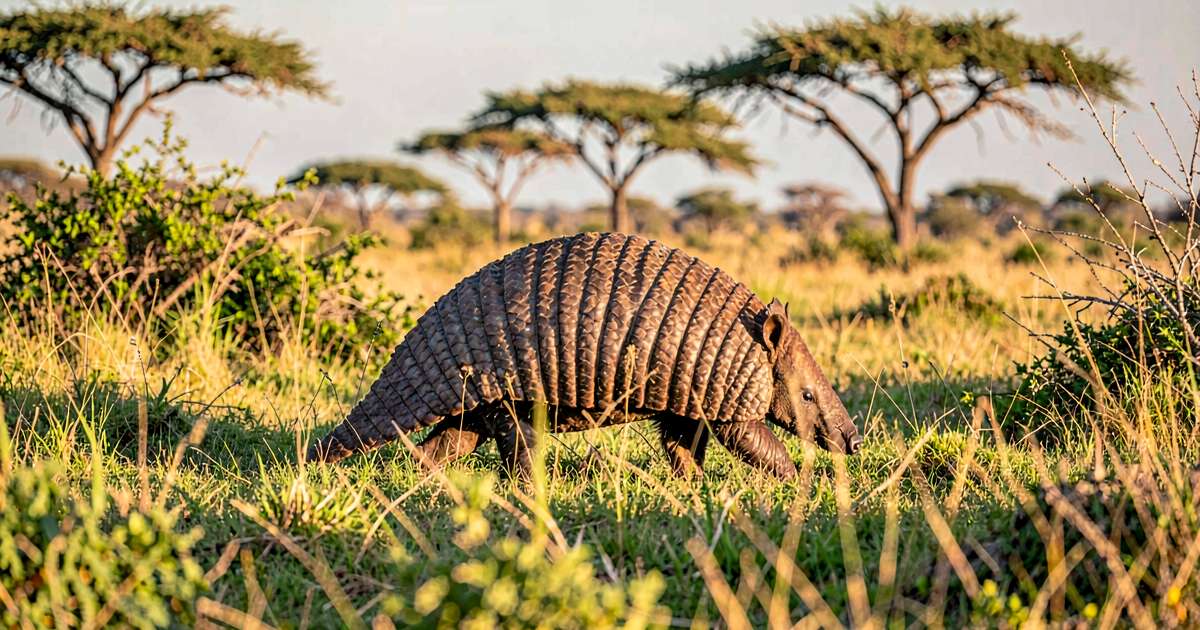
Ghana is one of West Africa's biodiversity anchors — a country whose forests, savannas, and coastal thickets shelter an extraordinary range of wildlife despite decades of agricultural expansion and resource extraction. Among this wildlife, three pangolin species persist in diminishing numbers, facing the twin pressures of domestic bushmeat consumption and an internationally organised trafficking trade that has dramatically intensified since the early 2010s. Ghana's response to this crisis reveals both the potential and the limitations of pangolin conservation in a rapidly developing West African context.
Pangolin Species in Ghana
Ghana is one of a small number of countries globally that hosts three pangolin species, reflecting the country's position at the transition zone between the Guinea Forest Biodiversity Hotspot and the West African savanna belt.
The White-Bellied Pangolin (Phataginus tricuspis)
The most commonly encountered species in Ghana, the white-bellied pangolin is a medium-sized, semi-arboreal species found throughout the country's forested zones, including the high forest region of the Western, Central, and Ashanti regions. Despite being the most widespread African pangolin, it is classified as Endangered, and survey data from Ghana suggests that populations have declined sharply in areas where bushmeat hunting and habitat clearance are most intense.
White-bellied pangolins are frequently encountered in bushmeat markets across Ghana, where they are sold both locally and to urban markets in Accra and Kumasi. Their small size relative to other bushmeat species (typically 1.5–2.5 kg) means that hunters must take many individuals to generate significant income, intensifying per-capita hunting pressure on local populations.
The Giant Ground Pangolin (Smutsia gigantea)
Africa's largest pangolin species, the giant ground pangolin can weigh up to 33 kilograms and is primarily a terrestrial species, living in forest-savanna transition zones and relying heavily on termite mounds for food. In Ghana, it is found primarily in the northern savanna regions, including Mole National Park and the surrounding buffer zones. It is classified as Endangered and is considerably less commonly encountered in bushmeat markets than the white-bellied pangolin, likely because of its lower density and more restricted range.
The giant ground pangolin's large scale mass makes it particularly attractive to international traffickers. A single adult animal carries a substantial weight of scales — potentially 0.5 to 1.5 kilograms — making it disproportionately valuable per individual in the commercial scale trade.
The Long-Tailed Pangolin (Phataginus tetradactyla)
Ghana's third species, the long-tailed pangolin, is the smallest African pangolin and the most exclusively arboreal. It is closely associated with riverine and gallery forest and is found in the forest zones of southern Ghana. Because of its arboreal lifestyle and small size, it is less frequently captured by ground-based hunters, but remains threatened by forest loss that removes the canopy habitats it depends on.
The Bushmeat Trade and Local Demand
Unlike in some Asian countries where pangolin consumption is driven primarily by traditional medicine, in Ghana the primary driver of pangolin mortality has historically been the bushmeat trade — the hunting of wild animals for meat as a food source and source of income. Bushmeat has deep cultural roots in Ghanaian cuisine, and in rural areas it remains an important source of animal protein.
Survey studies conducted at Ghanaian bushmeat markets — including the large market at Kumasi's Kejetia complex and smaller markets along the Accra-Kumasi highway — have consistently documented pangolin carcasses and smoked pangolin meat for sale. A 2019 study by researchers at the University of Ghana estimated that several thousand pangolins pass through formal and informal bushmeat markets in Ghana annually, though this figure is difficult to verify given the informal nature of much of the trade.
The Shift Toward Export Markets
Since approximately 2012, conservationists and law enforcement agencies in Ghana have documented a concerning shift in the pangolin trade profile. While domestic bushmeat consumption continues, a growing proportion of pangolins caught in Ghana are being processed for export — specifically, their scales are removed and dried for shipment to East Asian markets, primarily China and Vietnam.
This export trade is more organised and more destructive than the domestic bushmeat trade. Criminal networks operating across West Africa have established procurement systems that incentivise hunters to specifically target pangolins for their scales, with the carcasses discarded or sold locally. The per-kilogram price of dried pangolin scales on the international market — sometimes exceeding USD 3,000 per kilogram at destination markets — creates economic incentives far exceeding what domestic bushmeat traders can offer.
Major seizures have documented this trade's scale. A 2019 seizure at Tema Port intercepted over two tonnes of pangolin scales from Ghana and neighbouring countries, representing an estimated 4,000 or more individual animals. Subsequent investigations by TRAFFIC and the Environmental Investigation Agency identified organised Chinese criminal networks operating in West Africa with established procurement chains reaching into forest communities.
Legal Framework: Ghana's Wildlife Law
All three pangolin species are protected under Ghana's Wildlife Conservation Regulations (Legislative Instrument 685, 1971) and its subsequent amendments. Pangolins are listed as wholly protected species, meaning that any hunting, possession, or trade requires a permit from the Wildlife Division of the Forestry Commission. In practice, such permits are not issued for commercial purposes, making virtually all pangolin trade in Ghana illegal under domestic law.
Penalties for wildlife offences in Ghana have historically been modest — fines calibrated to 1971 price levels and short prison terms. The Wildlife Amendment Act of 2020 increased penalties significantly, with fines of up to GHS 1 million (approximately USD 68,000 at current rates) and prison terms of up to ten years for serious wildlife crime offences. It is too early to fully evaluate the deterrent effect of these increased penalties, but preliminary reporting suggests some shift in the risk calculus for larger-scale traders.
Conservation Organisations and Programmes
Ghana's pangolin conservation community has grown substantially over the past decade, driven by a combination of international NGO investment and the emergence of strong local organisations with the capacity to lead field programmes.
Pangolin Conservation Ghana
Pangolin Conservation Ghana (PCG), established in 2018, has become one of the most active organisations working specifically on pangolin issues in the country. PCG conducts camera trap surveys in priority habitat areas, runs community ranger networks in key forest zones, and operates a rescue and rehabilitation facility for confiscated pangolins. The organisation has also produced educational materials in multiple Ghanaian languages — including Twi, Ga, and Dagbani — to reach communities across the country's linguistic diversity.
PCG has partnered with the Wildlife Division and Ghana Police Service on enforcement operations, and its field intelligence networks have contributed to several significant seizures of pangolin products destined for export. The organisation's community ranger model, which trains and pays local community members to monitor and report wildlife crime, has been particularly effective in areas where traditional conservation enforcement has limited reach.
A Rocha Ghana
The international Christian conservation organisation A Rocha has a long-established presence in Ghana, working primarily in the Atewa Range forest reserve — a critical biodiversity hotspot that harbours significant pangolin populations. A Rocha Ghana's community conservation programme combines habitat monitoring, sustainable agriculture support for forest-edge communities, and education programmes that embed wildlife awareness within broader discussions of environmental stewardship.
Wildlife Division and Mole National Park
Ghana's Wildlife Division manages the national protected area system, including Mole National Park in the north — the largest protected area in the country and the most important site for giant ground pangolin conservation. Mole's ranger force conducts regular anti-poaching patrols and has increased its focus on pangolin-specific monitoring in recent years, including the deployment of camera traps at known giant ground pangolin activity sites.
Community Conservation and Livelihoods
The most durable conservation outcomes in Ghana have come from programmes that connect wildlife protection to tangible community benefits. Buffer zone communities adjacent to the Atewa Range, Ankasa Conservation Area, and Bia National Park have historically depended on bushmeat hunting as a livelihood strategy, particularly during agricultural lean seasons. Programmes that provide alternative income sources — bee-keeping, shade-grown cocoa, ecotourism guiding, and non-timber forest product enterprises — have shown the potential to reduce hunting pressure without imposing costs on communities that are already economically marginal.
Community forest management agreements, modelled in part on programmes developed in other West African countries, are being piloted in several forest reserve buffer zones. These agreements give communities formal roles in monitoring and managing forest resources, providing both recognition and economic benefit in exchange for conservation commitments.
Challenges and Outlook
Ghana's pangolin conservationists face formidable challenges. The country's rapid economic development — GDP growth averaging above 5% annually for much of the past two decades — has been accompanied by accelerating forest loss, road construction that opens previously remote forest areas, and urban migration that creates distant markets for bushmeat. The organised export trade has introduced a level of economic incentive and operational sophistication that community-based conservation programmes were not designed to counter.
At the same time, Ghana has assets that many pangolin range states lack: a relatively stable democratic government, a functioning judiciary, engaged civil society organisations, and growing public environmental awareness driven by urban educated populations. The combination of strengthened law enforcement, community conservation programmes, demand reduction outreach, and regional cooperation with ECOWAS partners offers a credible pathway toward stabilising pangolin populations if resources and political commitment can be sustained.
Ghana's pangolins are not yet lost. The forests of the Western Region still hold populations of all three species. The question is whether conservation investment can outpace the commercial pressures that are currently winning the race.