Pangolin Conservation in Ivory Coast: Forests Under Pressure
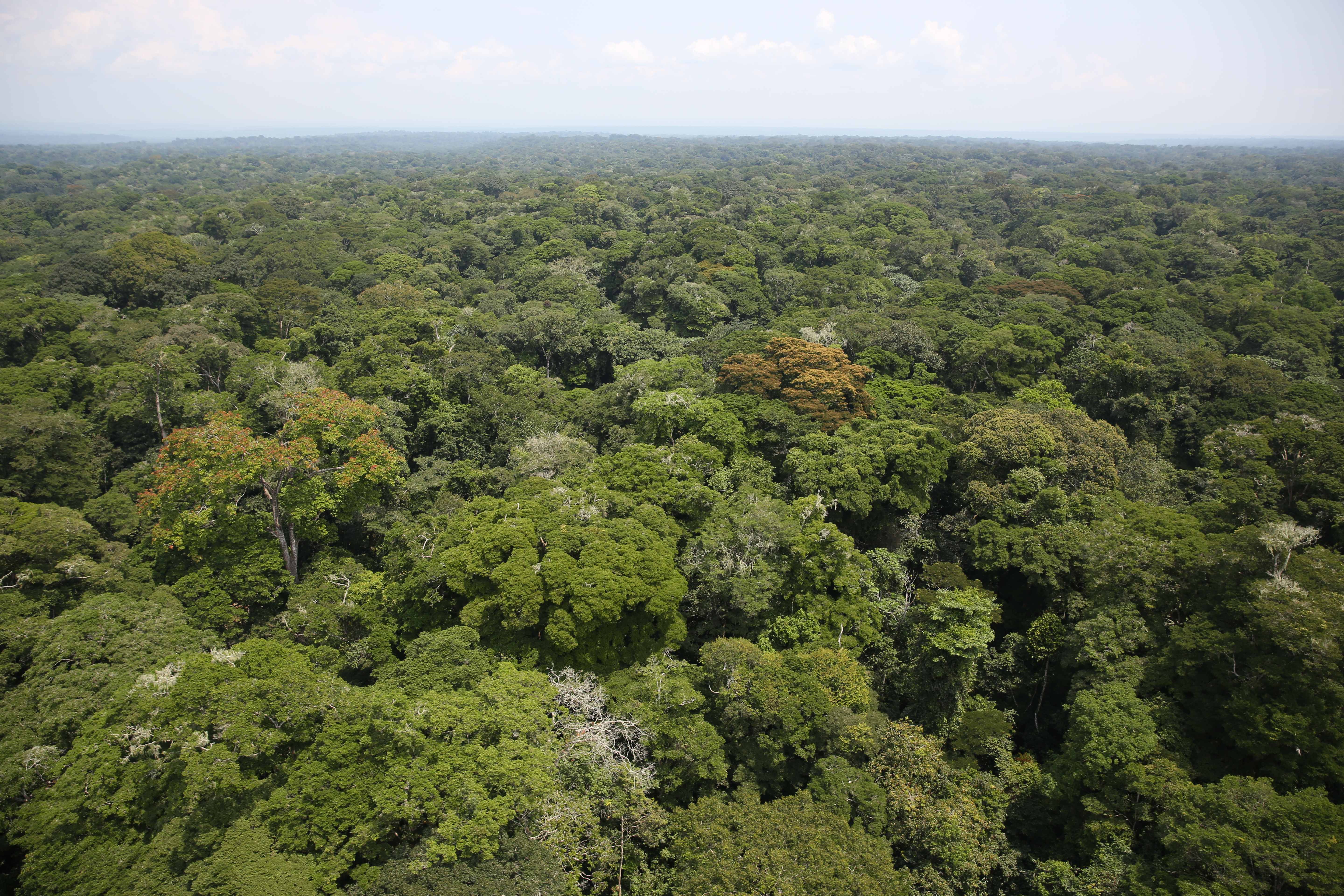
Cote d'Ivoire — Ivory Coast — was once among the most forested nations in West Africa, its southern half draped in dense lowland rainforest that formed the eastern edge of the Upper Guinea forest biodiversity hotspot. Today, after decades of agricultural expansion driven largely by cocoa production, the country has lost more than 80 percent of its original forest cover. For the pangolins that depend on intact forest and its rich subsurface ecosystem of termites and ants, this transformation has been devastating. Two species — the white-bellied pangolin (Phataginus tricuspis) and the giant ground pangolin (Smutsia gigantea) — persist in the remaining forest fragments, national parks, and degraded forest-farm mosaics, but both face mounting pressure from hunting, habitat loss, and illegal trade.
Species Present and Their Ecology
The white-bellied pangolin is the more frequently encountered species in Ivory Coast. Primarily arboreal, it occupies the forest canopy and mid-storey, where it forages for arboreal ant and termite colonies. Its small size — adults typically weigh between one and two kilograms — and nocturnal habits make it difficult to detect in camera trap surveys, and much of what is known about its distribution in Ivory Coast comes from hunter interviews, market surveys, and opportunistic records rather than systematic scientific monitoring. It appears to be tolerant of some habitat degradation, persisting in cocoa agroforests and logged forest as long as sufficient tree cover remains, but this tolerance has limits.
The giant ground pangolin is rarer and far less well documented. A solitary, terrestrial species capable of exceeding 30 kilograms, it requires large areas of moist lowland forest with abundant subterranean termite colonies. Its range in West Africa centres on the Guinea forest biodiversity hotspot, and Ivory Coast's Tai National Park — the largest remaining block of primary forest in Upper Guinea — is considered one of the most important remaining strongholds for this species in the sub-region. Records outside Tai are sparse, and the species is considered absent or functionally extinct across most of the country's deforested interior.
Threats
Deforestation and Habitat Loss
Ivory Coast's forest loss is among the most dramatic in Africa. Between 1960 and the 2020s, the country's closed forest cover declined from approximately 16 million hectares to fewer than 3 million hectares — a reduction of over 80 percent in six decades. The primary driver has been smallholder cocoa farming, which expanded rapidly in the postcolonial period as the country became the world's leading cocoa producer. Cocoa cultivation requires cleared land, and the forest frontier moved steadily south and west as farmers sought virgin forest soil. The expansion did not stop at park boundaries: surveys have documented significant encroachment into legally protected areas, including the western margins of Tai National Park.
For pangolins, this forest loss has two direct consequences. First, it eliminates habitat outright — forested areas converted to cocoa plantations or secondary scrub no longer support the termite and ant communities that pangolins depend on for food. Second, it fragments remaining populations into isolated patches, reducing genetic connectivity and increasing vulnerability to local extinction from hunting pressure or stochastic events.
Bushmeat Hunting and Domestic Trade
Pangolins are hunted for bushmeat across Ivory Coast. The white-bellied pangolin is the more commonly hunted species, targeted by hunters using dogs, wire snares, and night-time torch-hunting. At rural bushmeat markets, pangolin carcasses have been recorded alongside other forest mammals including duiker, porcupine, and cane rat. In urban markets — Abidjan, Yamoussoukro, Bouake — smoked pangolin carcasses are sometimes available, often wrapped or obscured to reduce enforcement visibility.
The cultural dimension of pangolin consumption in Ivory Coast is significant. Across many ethnic groups, pangolin meat carries social prestige and is considered appropriate for feasts, healing rituals, and hospitality occasions. This cultural demand sustains a level of hunting that persists even when legal enforcement increases, because it operates through informal social networks rather than open markets. Effective demand reduction must engage with these cultural frameworks, not simply apply penalties to hunters.
International Trafficking
Ivory Coast is not primarily a destination market for pangolin products — it is a source country and, increasingly, a transit point. Pangolin scales moving from across the West African sub-region toward East Asian markets have been intercepted at Abidjan's Port Autonome, the busiest port in francophone West Africa. In 2021, a significant seizure at the port intercepted hundreds of kilograms of pangolin scales concealed in shipments of timber and agricultural products. Investigators identified collection networks spanning multiple West African countries, with Abidjan serving as an aggregation point before onward shipment to Asia.
The EAGLE (Eco Activists for Governance and Law Enforcement) Network has documented multiple pangolin trafficking cases in Ivory Coast, including the prosecution of mid-level traffickers who sourced scales from rural hunters across the country's western forest zone. These cases demonstrate that prosecutable trafficking networks exist and can be disrupted — but also that enforcement capacity needs sustained investment to have lasting effect.
Legal Protections
Ivory Coast is a party to the Convention on International Trade in Endangered Species (CITES), and all pangolin species are listed under Appendix I, meaning all commercial international trade is prohibited. Domestic legislation under the country's Forestry Code and wildlife regulations classifies pangolins as integrally protected species, prohibiting their hunting, trade, and possession. The penalties prescribed in law are significant — fines and imprisonment — but enforcement has historically been inconsistent.
The country's national parks system, managed by the Office Ivoirien des Parcs et Reserves (OIPR), provides the primary formal protection for pangolin habitat. Tai National Park, covering approximately 530,000 hectares in the southwest, holds World Heritage Site status and represents by far the most important protected area for pangolin conservation in the country. Mont Peko National Park and Marahoue National Park are additional protected areas where pangolins may persist, though both have experienced significant encroachment and degradation.
Conservation Initiatives
Tai National Park Protection
The primary focus of pangolin-relevant conservation work in Ivory Coast centres on maintaining the integrity of Tai National Park. The park is managed by OIPR with support from international organisations including WWF and the Wildlife Conservation Society (WCS), which have funded ranger training, patrol infrastructure, and community liaison programmes. Anti-poaching patrols within Tai have removed thousands of wire snares over successive years, and camera trap monitoring programmes have documented the presence of multiple large mammal species including both pangolin species in core zones.
The park's buffer zone — a transitional area between core protection and agricultural land — has been the focus of community-based natural resource management pilot programmes. In these areas, village conservation committees have been established to monitor wildlife activity, report poaching, and engage in reforestation activities. The long-term viability of these buffer zone communities as conservation partners depends on their access to alternative livelihoods that reduce dependence on forest resources, a challenge that conservation organisations are working to address through beekeeping, sustainable cocoa farming, and ecotourism development.
Cocoa Industry Engagement
A distinctive feature of Ivory Coast's conservation landscape is the potential leverage offered by the cocoa industry. The country supplies approximately 40 percent of global cocoa production, and major chocolate manufacturers have made public commitments to deforestation-free supply chains as part of corporate sustainability strategies and in response to the European Union's deforestation regulation. If cocoa supply chain standards are effectively implemented to prevent further deforestation, this could provide indirect benefits for pangolin habitat by reducing the economic incentive for forest clearance. Conservation organisations including WWF and the Rainforest Alliance have been working with cocoa cooperatives and multinational buyers to develop traceability systems that can verify the origin of cocoa.
EAGLE Network Operations
The EAGLE Network's Ivory Coast programme (known as LAGA) has been active since the mid-2000s, providing legal, investigative, and media support to national wildlife enforcement authorities. In pangolin cases, LAGA has supported prosecutions that have resulted in prison sentences for traffickers — a notable outcome in a legal environment where wildlife crimes often attracted only fines or suspended sentences. The network's media strategy, which publicises arrests and prosecutions, serves a deterrent function by demonstrating that wildlife crime carries real consequences.
Research and Data Gaps
Despite Ivory Coast's ecological significance, baseline data on pangolin populations remains thin. No comprehensive national survey has been published for either species, and even within Tai National Park — where research programmes have operated for decades — systematic pangolin monitoring has been limited relative to the study effort devoted to chimpanzees and forest elephants. Camera trap survey data, if analysed specifically for pangolin detection rates, could provide relative abundance indices comparable across sites and over time. This kind of monitoring infrastructure, embedded in existing research programmes, would represent a cost-effective investment in conservation knowledge.
Looking Ahead
The conservation outlook for Ivory Coast's pangolins is closely tied to the country's political economy of land use. If cocoa expansion continues unchecked, if protected area encroachment is not reversed, and if enforcement remains inconsistent, the trajectory for both white-bellied and giant ground pangolins is one of continued decline. But the country also holds the ingredients for a different outcome: a functioning national parks system with international support, an emerging cocoa sustainability framework with powerful market incentives, an active wildlife crime prosecution network, and a civil society increasingly engaged in environmental issues. The question is whether these assets can be mobilised quickly enough, and at sufficient scale, to stabilise pangolin populations before the remaining forest fragments become too small and too isolated to sustain viable wildlife communities.