Pangolin Conservation in Tanzania: Traffic Hub, Trafficking Hub
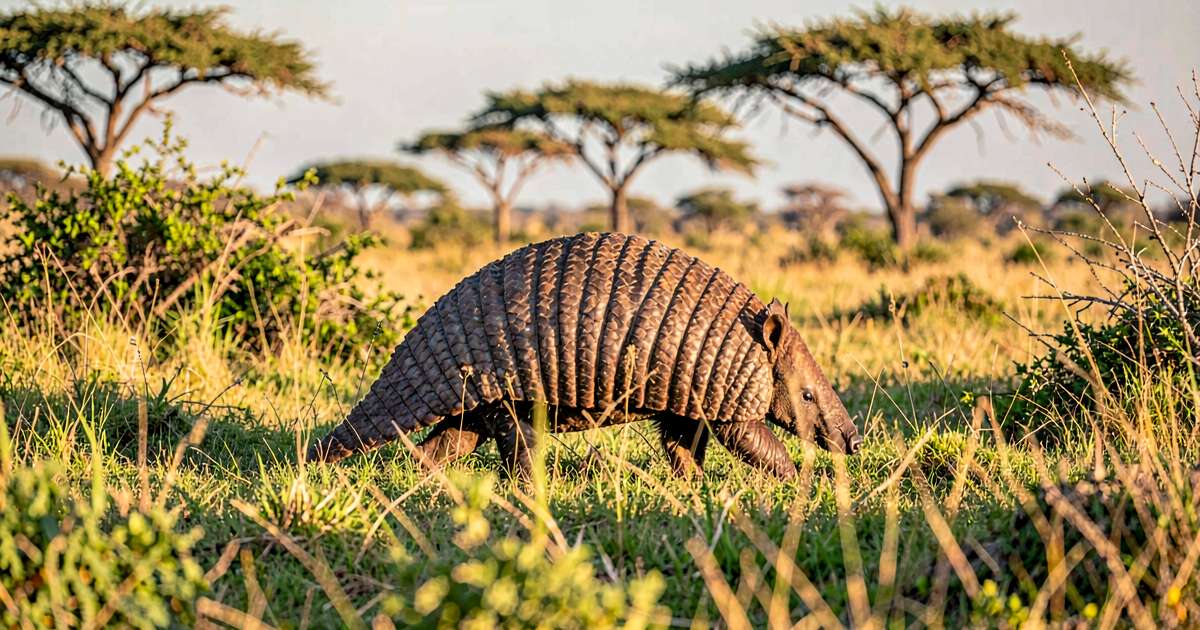
Tanzania occupies a paradoxical position in pangolin conservation. It is one of the most wildlife-rich countries in Africa, home to iconic protected areas — the Serengeti, Selous, Ruaha, Tarangire — that shelter an extraordinary diversity of large mammals. Its conservation infrastructure, while imperfect, is more developed than most African nations, and its wildlife agency, the Tanzania Wildlife Management Authority (TAWA), commands resources and political backing that many neighbouring governments cannot match. And yet Tanzania has simultaneously become one of the most significant transit and source countries for illegal pangolin products in the world. Understanding this contradiction — and the factors that sustain it — is essential for anyone working on pangolin conservation in eastern Africa.
Pangolin Species in Tanzania
Two pangolin species are documented in Tanzania. Temminck's ground pangolin (Smutsia temminckii) is the more widespread of the two, ranging across the country's savanna and miombo woodland zones from the northern parks through the vast miombo landscapes of the south and west. It is a terrestrial species that forages primarily on subterranean ant and termite colonies, digging with powerful forelimbs and a laterally compressed skull adapted for forcing open termite mounds. In Tanzania's arid and semi-arid zones, this species overlaps with the ranges of lions, leopards, and hyenas — its chief natural predators — and relies on its characteristic defensive curl and armoured scales for protection.
The white-bellied pangolin (Phataginus tricuspis) occurs in the wetter western forests of Tanzania, including the lake zone forests around Gombe and Mahale Mountains National Parks on the shores of Lake Tanganyika. This smaller, arboreal species is rarely encountered in systematic surveys — its nocturnal habits and low detectability make population estimates highly uncertain — but collector records and community interview data confirm its presence in suitable forest habitat in the west of the country.
Threats Facing Tanzania's Pangolins
International Trafficking Through Dar es Salaam
The most significant threat to pangolins in Tanzania is the country's role as a major trafficking hub. Dar es Salaam's port, one of the busiest in eastern Africa, has been identified in repeated seizure investigations as a key transhipment point for pangolin scales destined for Asian markets. TRAFFIC reports document multiple large-scale seizures at or around Dar es Salaam from 2010 through the early 2020s, with individual shipments ranging from hundreds to thousands of kilograms of pangolin scales. These shipments aggregate product not only from within Tanzania but from across the broader eastern and central African region — DRC, Uganda, Rwanda, Mozambique, Zambia — consolidated in Tanzania before onward movement by container ship.
The logistics of this trade reflect sophisticated criminal networks with the ability to falsify shipping documentation, bribe port officials, and conceal pangolin scales within legitimate cargo — timber, sesame, cashew nuts, and other agricultural commodities commonly exported through Dar es Salaam. Investigations by TRAFFIC, the Environmental Investigation Agency (EIA), and the Wildlife Justice Commission have mapped portions of these networks, identifying brokers, freight forwarders, and financiers operating across multiple countries.
Domestic Bushmeat Hunting
Within Tanzania, pangolins are also hunted for local bushmeat consumption, though this is secondary in scale to the international trafficking trade. In rural communities adjacent to miombo woodland — the dominant vegetation type across southern and western Tanzania — Temminck's ground pangolins are occasionally caught in wire snares set for other species, or targeted deliberately by hunters who know the market value of pangolin scales. The dual economic motivation — meat for household consumption and scales for sale to brokers — makes pangolin hunting attractive to rural hunters with limited alternative income sources.
In the western lake zone forests, where the white-bellied pangolin occurs, logging and agricultural encroachment compound hunting pressure. Forest loss in the Mahale Mountains buffer zone and around Gombe has reduced habitat connectivity and increased the vulnerability of small, isolated pangolin populations to local extinction.
Internal Trade Networks
Tanzania's internal pangolin trade operates through networks that connect rural hunters in remote areas to urban brokers, and ultimately to the international trafficking chain. Investigators have identified collection hubs in towns along major transport routes — Mbeya, Iringa, Dodoma — where pangolin scales are consolidated from village-level suppliers before being moved to Dar es Salaam. Mobile money platforms have facilitated payment through these networks, reducing the need for face-to-face cash transactions that might attract law enforcement attention.
Legal Framework
Tanzania's domestic wildlife legislation is relatively robust by regional standards. The Wildlife Conservation Act 2009 and its subsequent amendments classify pangolins as protected species, with penalties for hunting, possession, and trade that include significant prison terms. Tanzania is a CITES signatory, and both pangolin species occurring in the country are listed under Appendix I. The Tanzania Wildlife Management Authority (TAWA) is responsible for enforcement outside national parks, while the Tanzania National Parks Authority (TANAPA) manages protected areas.
In practice, enforcement capacity is unevenly distributed. Game reserves and national parks in the northern circuit — Serengeti, Kilimanjaro, Tarangire — receive substantially more resources and international attention than the vast game reserves and wildlife management areas of the south and west, where pangolin hunting pressure may be higher relative to enforcement presence. The sheer scale of Tanzania's protected area network — covering approximately 38 percent of the country's land area — makes comprehensive patrolling impossible with available ranger numbers.
Conservation Initiatives and Enforcement
Wildlife Crime Enforcement Operations
Tanzania's wildlife authorities have conducted periodic crackdown operations targeting pangolin trafficking networks, with assistance from international partners including INTERPOL's Wildlife Crime programme, UNODC, and the Wildlife Justice Commission. Several high-profile arrests and prosecutions in the 2010s and early 2020s resulted in prison sentences for mid-level pangolin traffickers — a signal that the criminal justice system can be engaged with wildlife crime. However, enforcement activities have frequently disrupted individual networks without dismantling the underlying criminal infrastructure, which reconstitutes around different individuals and routes.
Port-based enforcement has been a specific focus of capacity building efforts. Tanzania Revenue Authority customs officers have received training in wildlife product identification, and scanner equipment at Dar es Salaam port has been upgraded with international donor support. Despite these investments, the volume of container traffic moving through the port — hundreds of thousands of containers annually — makes comprehensive inspection physically impossible, and trained sniffer dogs, which have proven effective at detecting pangolin scales, have been deployed only intermittently.
Community Wildlife Management Areas
Tanzania has developed an extensive system of Wildlife Management Areas (WMAs) — community-governed conservation territories that buffer national parks and game reserves. In principle, WMAs give communities a financial stake in wildlife protection, as they can generate revenue from tourism and sustainable utilisation. Several WMAs in the Selous-Niassa ecosystem and the Ruaha-Rungwa landscape overlap with areas where Temminck's ground pangolins occur, and conservation organisations working in these landscapes have sought to embed pangolin monitoring within WMA management plans.
The effectiveness of WMAs as pangolin conservation tools depends on the strength of governance structures within individual communities and the degree to which wildlife revenue actually reaches the households that bear the cost of living alongside wildlife. Where WMA governance is functional and revenue sharing is transparent, community members have stronger incentives to protect wildlife and report poaching. Where governance is weak or revenue is captured by elites, the incentive structure runs in the opposite direction.
Research and Monitoring
Camera trap surveys across multiple Tanzanian landscapes have generated pangolin occurrence data as a byproduct of broader wildlife monitoring programmes focused on lions, leopards, wild dogs, and other charismatic species. The Ruaha Carnivore Project, the Serengeti Lion Project, and monitoring programmes in the Selous-Nyerere National Park have all recorded Temminck's ground pangolins in camera trap databases. Aggregating and analysing this distributed dataset systematically would provide a more comprehensive picture of pangolin distribution and habitat associations across Tanzania than any single-species survey has achieved to date.
The Trafficking Hub Problem
Tanzania's central challenge is structural: its geographic position, port infrastructure, and transport connectivity that make it valuable as a transit country for legitimate trade also make it attractive to wildlife traffickers. Addressing this requires not just wildlife enforcement but engagement with customs, freight, banking, and anti-corruption systems — a whole-of-government response that has proven difficult to sustain in practice.
International conservation organisations and donor governments have invested significantly in building Tanzania's wildlife enforcement capacity over the past decade, with measurable results in terms of arrests, prosecutions, and seizures. But experienced trafficking networks adapt. When Dar es Salaam port enforcement increased, some traffickers shifted routes toward smaller ports, overland crossings, or indirect air freight itineraries. The arms race between enforcement and evasion continues, and pangolins — slow-moving, ecologically specialist, and highly profitable to poachers — pay the price for each iteration.
Priorities for Effective Conservation
Conservation practitioners working in Tanzania identify several priorities that could meaningfully improve outcomes for pangolins. First, sustained, intelligence-led enforcement targeting the financial and logistical infrastructure of trafficking networks — brokers, freight forwarders, and buyers — rather than only low-level hunters and couriers. Second, expanding community-based monitoring in WMAs and buffer zones to detect pangolin hunting and trade at the source, before product enters the trafficking supply chain. Third, deepening ranger training and equipment provision across the southern and western landscapes where pangolins occur but enforcement presence is thin. Fourth, engaging Tanzania's growing tourism sector in pangolin-specific conservation messaging — a Tanzanian safari that includes pangolin awareness programming raises international visibility for the conservation challenge and builds domestic political will.
Tanzania has the institutional foundations to be a conservation leader in eastern Africa. For pangolins to benefit from that potential, those institutions need to direct sustained attention toward a species that lacks the popular charisma of elephant or rhino but faces threats of comparable severity.