Pangolin Conservation in Zimbabwe: Laws, NGOs, and the Fight Against Trafficking
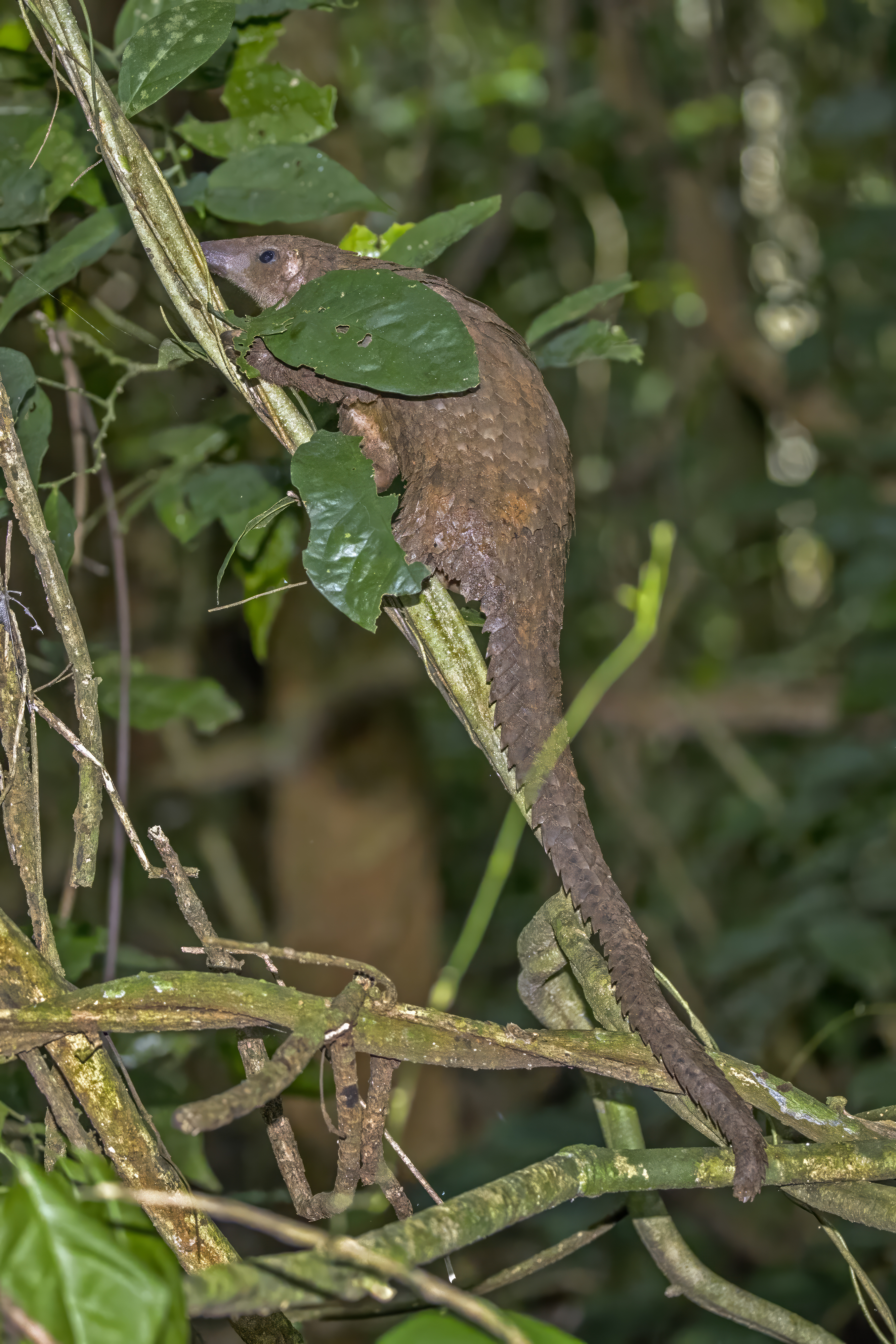
On a dry October evening in Hwange National Park, a wildlife ranger crouches beside a set of shallow scrape marks in the red Kalahari sand—the unmistakable foraging sign of a Temminck's ground pangolin working through a termite mound. It is a rare and quietly celebrated moment. Zimbabwe holds one of southern Africa's more significant populations of this cryptic, solitary mammal, yet the animal remains so poorly understood that a confirmed sighting in the field can still draw a sharp intake of breath from experienced conservationists. The Temminck's ground pangolin faces a convergence of pressures that few species can absorb: targeted poaching for international trafficking networks, a persistent local bushmeat trade, and habitat loss tied to agricultural expansion and charcoal production. How Zimbabwe responds to those pressures—through legislation, enforcement, rehabilitation, and community partnership—will determine whether the species persists in the savannas of the Zambezi Valley and the lowveld for future generations.
Zimbabwe's Pangolin: Temminck's Ground Pangolin
Zimbabwe is home to a single pangolin species: Smutsia temminckii, commonly known as Temminck's ground pangolin or the Cape pangolin. It is the only pangolin species found across most of southern Africa, ranging from Zimbabwe and Zambia south through Botswana, Mozambique, and into South Africa and Namibia. The species is listed as Vulnerable on the IUCN Red List, though many researchers argue that data deficiencies mask a population trajectory that warrants a higher threat category. Unlike the four Asian pangolin species, which have suffered catastrophic declines driven largely by Chinese and Vietnamese markets, Temminck's ground pangolin still occupies much of its historical range—but the margin of safety is narrowing.
Distribution and Habitat
In Zimbabwe, Temminck's ground pangolins are distributed across a broad arc of suitable habitat stretching from the Zambezi Valley in the north—where the lowveld grades into mopane woodland—through the arid Kalahari sandveld of Hwange in the west, and east into the Save Valley and the Gonarezhou ecosystem in the southeast. The species shows a strong association with mixed bushveld and dry savanna woodland, particularly areas supporting dense populations of termites in the genera Macrotermes and Odontotermes, which form the core of its diet. Rocky escarpments, sandy soils suitable for burrowing, and low human population density also characterise prime pangolin habitat within Zimbabwe. The animal is predominantly nocturnal, solitary, and extraordinarily secretive, which makes abundance estimates difficult and systematic surveys a long-term undertaking.
Population Status and Threats
No robust national population estimate exists for Temminck's ground pangolins in Zimbabwe. Camera-trap studies and telemetry data gathered by conservation organisations suggest that the species maintains viable populations in the major protected areas, but densities outside protected land are poorly known. The primary threats compound one another. Poaching for international trafficking is the most acute pressure, but snaring—set indiscriminately for bushmeat across communal and resettlement areas—kills pangolins as bycatch. Electrocution on rural low-voltage power lines has been documented as a mortality factor. Habitat loss, driven by tobacco and subsistence agriculture along the margins of wildlife areas, fragments movement corridors and isolates populations. In some rural communities, traditional beliefs assign medicinal or protective properties to pangolin scales, blood, and fetuses, sustaining a diffuse domestic demand that is distinct from the industrial-scale trafficking supply chain.
The Trafficking Problem
Zimbabwe sits at an uncomfortable geographic intersection in the pangolin trafficking network that connects sub-Saharan Africa to consumer markets in East and Southeast Asia. The country is both a source of pangolins taken from its own protected and communal lands, and a transit corridor for animals and parts moved from Zambia, the Democratic Republic of Congo, Mozambique, and Tanzania. Seizure data from TRAFFIC and the Environmental Investigation Agency indicate that Zimbabwe's role as a transit state has grown as regional trafficking networks have professionalised and diversified their logistics.
Transit Routes Through Zimbabwe
Two corridors dominate the trafficking geography. The first runs south through Harare, Zimbabwe's capital and the site of Robert Gabriel Mugabe International Airport, where consignments have been concealed in commercial freight, luggage, and diplomatic pouches. Harare's status as a regional aviation hub makes it attractive for traffickers moving pangolin scales destined ultimately for Hong Kong, Guangzhou, or Hanoi. The second corridor runs through Beit Bridge, the busiest land border crossing on the Zimbabwe–South Africa frontier, where volumes of commercial truck traffic create significant inspection challenges for customs and border control officers. Pangolin scales, which are light, compressible, and odourless when dried, are easily concealed within cargo loads of agricultural produce, timber, or manufactured goods. Law enforcement agencies on both sides of the Limpopo River have made notable seizures at Beit Bridge, but investigators acknowledge that detected shipments represent a fraction of actual flows.
Domestic Demand and Bushmeat Trade
Alongside the export trade, a domestic market persists across communal areas adjacent to protected land. Pangolin meat is consumed opportunistically in some regions, and traditional healers in both Zimbabwe and neighbouring countries attribute therapeutic properties to various pangolin-derived products. This demand differs structurally from the large-scale international trade: it operates through informal local networks, involves lower volumes, and is often entangled with subsistence hunting practices that are difficult to disentangle from conservation enforcement. Community conservation practitioners working in the Zambezi Valley and the lowveld have noted that economic marginalisation and food insecurity can push rural households toward poaching that would otherwise not occur, making poverty alleviation an inseparable component of any effective conservation response.
Legal Framework: Zimbabwe's Wildlife Laws
Temminck's ground pangolin is afforded the highest level of legal protection available under Zimbabwean law. The Parks and Wildlife Act (Chapter 20:14) designates pangolins as a specially protected animal, meaning that any killing, capturing, possession, sale, or export without a permit issued by the Zimbabwe Parks and Wildlife Management Authority (ZPWMA) constitutes a serious criminal offence. Penalties under the Act include substantial fines and custodial sentences, and amendments introduced in recent years have increased maximum penalties to reflect the gravity of wildlife crime.
Zimbabwe is also a signatory to the Convention on International Trade in Endangered Species of Wild Fauna and Flora (CITES), under which all eight pangolin species were transferred to Appendix I in 2016, creating a global ban on commercial international trade. Domestically, the Wildlife Conservation Act and the Criminal Law (Codification and Reform) Act provide additional tools for prosecutors dealing with organised wildlife crime, including provisions that allow for the treatment of large-scale poaching and trafficking as serious crimes attracting sentences comparable to those for other organised criminal offences. In practice, however, conviction rates for pangolin trafficking have been inconsistent, and sentences handed down by magistrates have sometimes fallen short of the statutory maximums, prompting advocacy groups to call for judicial training on the economic dimensions of wildlife crime.
The Tikki Hywood Foundation
No organisation has done more to define pangolin conservation in Zimbabwe than the Tikki Hywood Foundation (THF), a Harare-based NGO founded by conservationist Tikki Hywood. Since its establishment, the Foundation has built a reputation as the country's primary centre of expertise for the rescue, rehabilitation, and release of illegally held or injured pangolins, and its work has influenced conservation policy and practice across the region. The Foundation operates under a permit from ZPWMA and maintains close working relationships with law enforcement agencies, enabling it to receive confiscated animals quickly after seizures.
Rescue and Rehabilitation
Pangolins confiscated from traffickers or rescued from snares arrive at the Foundation in varying states of health. The animals are acutely stress-sensitive and do not survive well in conventional captive conditions—many die within days of capture if not managed with specialist protocols. THF has developed husbandry techniques tailored to the specific physiological and behavioural needs of Temminck's ground pangolins, including semi-wild enclosures that allow animals to forage naturally, minimise human contact, and maintain the behavioural repertoire necessary for successful release. Animals are tracked post-release using radio telemetry, generating data on movement, home range, and habitat use that feeds directly into national conservation planning. The Foundation's survival and release rates for confiscated pangolins have been recognised by IUCN pangolin specialist groups as among the most successful recorded for the species in Africa.
Community Engagement Programs
Recognising that conservation outcomes depend on the attitudes and livelihoods of communities living alongside pangolin habitat, THF invests substantially in outreach and environmental education. Programs target rural schools and community leaders in areas adjacent to protected land, aiming to shift cultural perceptions of pangolins from exploitable resource to valued neighbour. The Foundation has trained community scouts and incentivised tip-offs to law enforcement, creating an informal intelligence network that has contributed to numerous seizures and arrests. In some areas, community members who have participated in pangolin release events—accompanying rangers as animals are returned to the wild—have become vocal advocates for protection, an effect that conservation researchers describe as direct emotional engagement with a previously abstract species.
ZPWMA and Government Response
The Zimbabwe Parks and Wildlife Management Authority is the statutory body responsible for managing Zimbabwe's protected areas and enforcing wildlife law. ZPWMA's anti-poaching capacity has faced significant resource constraints over the past two decades, with budgetary limitations affecting patrol coverage, equipment, and staff retention. Nevertheless, the Authority has maintained an operational relationship with international conservation partners and donor organisations that has allowed targeted capacity-building initiatives to proceed. ZPWMA rangers participate in training programmes on wildlife forensics, intelligence-led patrol methods, and prosecution support, many of them coordinated with organisations including WWF's TRAFFIC network, the African Wildlife Foundation, and the International Fund for Animal Welfare.
At the border enforcement level, ZPWMA works alongside the Zimbabwe Revenue Authority (ZIMRA) and the Zimbabwe Republic Police to screen cargo and intercept trafficking shipments. Joint operations between these agencies and their South African counterparts—notably the South African Police Service's Endangered Species Unit and the South African Revenue Service customs branch—have improved detection at Beit Bridge, though both sides acknowledge that sustained political will and adequate staffing are prerequisites for meaningful long-term impact. Zimbabwe's government has also engaged with the Southern African Development Community (SADC) Law Enforcement and Anti-Poaching (LEAP) strategy, which seeks to coordinate wildlife crime responses across the region's fourteen member states.
Conservation in Key Protected Areas
Zimbabwe's formal protected area network, which covers roughly thirteen percent of the country's land area, provides the most secure habitat for Temminck's ground pangolins. Two parks in particular represent the core of the country's pangolin conservation geography.
Hwange National Park
Hwange National Park, covering approximately 14,651 square kilometres of Kalahari sandveld in northwestern Zimbabwe, is the country's largest protected area and one of Africa's most significant wildlife reserves. The park's mosaic of mopane scrub, acacia woodland, and open grassland supports good densities of termite mounds, and camera-trap surveys conducted by the Zimbabwean Wildlife Research Unit have confirmed Temminck's ground pangolin presence across multiple areas of the park. Hwange benefits from a relatively well-resourced ranger force and from the presence of several private safari operators whose anti-poaching investments supplement state capacity. Community conservation programs in villages along the park's eastern and southern boundaries—where human-wildlife conflict and bushmeat hunting are persistent challenges—have incorporated pangolin-specific awareness components, supported in part by NGO funding channelled through the Communal Areas Management Programme for Indigenous Resources (CAMPFIRE) structure.
Gonarezhou National Park
Gonarezhou National Park in southeastern Zimbabwe, anchoring Zimbabwe's contribution to the Great Limpopo Transfrontier Conservation Area alongside Kruger National Park in South Africa and Limpopo National Park in Mozambique, presents a different conservation context. The park's rugged sandstone landscape, fever tree forests along the Runde and Save rivers, and sparse human settlement create conditions that historically supported pangolin populations, though systematic survey data remains limited. The transfrontier dimension is significant: pangolin movement across the Mozambican border and the relatively porous nature of the Limpopo River boundary mean that trafficking pressure from Mozambique, where enforcement capacity is lower, can affect Gonarezhou's pangolin population. The Frankfurt Zoological Society, which has been a key conservation partner in Gonarezhou for many years, has supported the park's capacity-building programs and contributed to the ecological monitoring infrastructure that underpins informed management decisions.
Outlook and Challenges
The trajectory for Temminck's ground pangolin conservation in Zimbabwe is cautiously mixed. The institutional architecture—strong legislation, a dedicated specialist NGO, an increasingly engaged government authority, and meaningful protected area coverage—provides a foundation that many African pangolin range states lack. The Tikki Hywood Foundation's rehabilitation expertise and community engagement model represent a genuine regional asset, and the growing integration of pangolin-specific components into mainstream wildlife crime enforcement is a meaningful development.
Yet the challenges are structural and persistent. Trafficking networks are adaptive, well-funded, and capable of routing around enforcement pressure. The economic incentives for poaching in marginalised rural communities remain strong in the context of limited alternative livelihoods. Climate variability—increasingly manifested in Zimbabwe as severe droughts that depress prey availability and push communities into closer dependence on wildlife resources—creates additional pressure on already stressed populations. Funding for conservation organisations operating in Zimbabwe is competitive and often project-bound, making long-term programmatic commitments difficult to sustain. And the data gap on pangolin population status means that conservation decision-making proceeds with greater uncertainty than is ideal.
Regional cooperation offers one of the most promising avenues for progress. The cross-border nature of both pangolin habitat and trafficking networks demands coordinated responses that no single country can deliver alone. Zimbabwe's partnerships within the Great Limpopo Transfrontier area, its engagement with SADC LEAP, and its relationships with South African enforcement agencies create a platform for the kind of sustained transnational collaboration that effective pangolin conservation requires. If those partnerships can be deepened and adequately resourced, and if community conservation programs can demonstrate consistent livelihood benefits that rival the short-term returns from poaching, Zimbabwe's pangolins have a realistic prospect of persisting through the decade ahead. The scrape marks in the Hwange sand suggest the animal is still out there, still foraging, still surviving. The question is whether the institutions built to protect it can keep pace with the forces aligned against it.